Tête-à-tête Archive of Human Heads and Skulls – April 29th, 2022
Written & curated by Nassim J. Abu Sarari















Curator Statement
Humans, it seems, have always been preoccupied with heads and skulls. Consequently, the human head has been subject to countless renderings throughout history. From the Greek Medusa head and her locks of snakes, the famous fourth century BC monstrous figures known as Gorgons, to The Ambassadors, a sixteenth-century painting by Hans Holbein, depicting a smeared-looking human skull that appears wholly distorted from a frontal standpoint but becomes perfectly proportional when viewed at a diagonal angle. One also recalls the head sculptures of Marc Quinn, Self (i) (1991-present), a cast self-portrait of the artist’s head made of ten liters of his blood and submerged in frozen silicone. Such examples are seen in a new light thinking with the eighteenth-century pseudoscientific practice of phrenology. German physiologist Franz Joseph Gall held that human thoughts, behavior, and character are located in different brain parts and even can be traced on the skull like a map. Such logic made many navy units with a mandate in Europe collect human specimens from places they visited during the eighteenth and nineteenth centuries, forming collections that had been circulated and became popular public domain. This practice was also true in the United Kingdom, the United States, and Canada. (1)
The head or caput (Latin) has stood for many things — for a personality or an individual, a metonymy for their belief, action, ideology, or legend. These themes fascinated the secret society led by French philosopher Georges Bataille (1897-1962). Bataille held that human life “is exasperated by having served as the head and reason of the universe. Insofar as it becomes this head and this reason, insofar as it becomes necessary to the universe, it accepts serfdom.” (2) The figure of the Acéphale (ii) (drawing by André Masson in 1936) is headless, not merely a man escaping his thoughts, but a headless organization, one abjuring hierarchy. The headless figure’s intestines are visible, and a skull “censors” his penis. The headless Acéphale is another expression of an ongoing series of abandonments of the civilized world in favor of the ecstatic power of the “lost” worlds, the mythical space, a place beyond subjectivity. According to Bataille, the decapitated human body, a bloodthirsty monster, points to the necessity of sacrificing every “thinking head” for the sake of a radical critique of Western reason. The Acéphale holds a dagger on the left and a flaming heart on the right, perhaps portraying the end of morality.
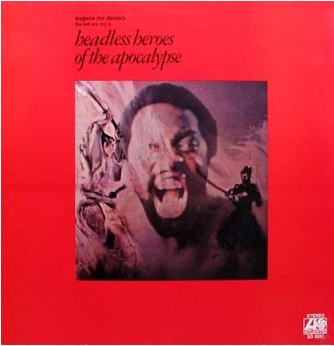
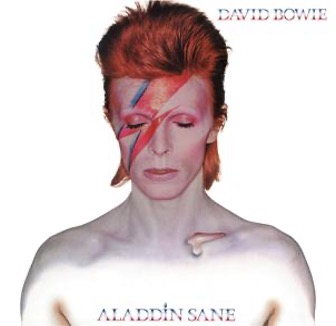
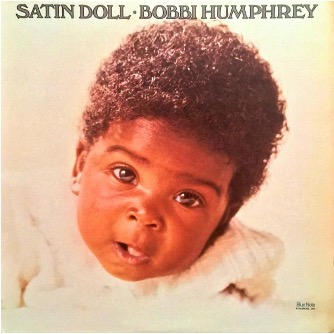
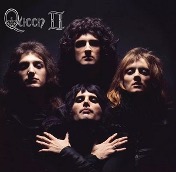
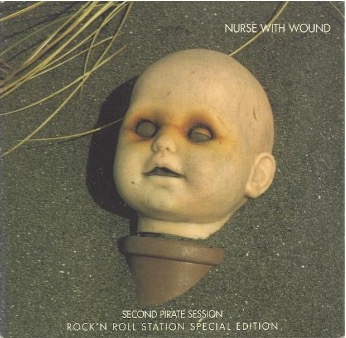
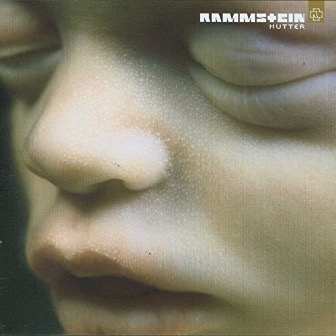
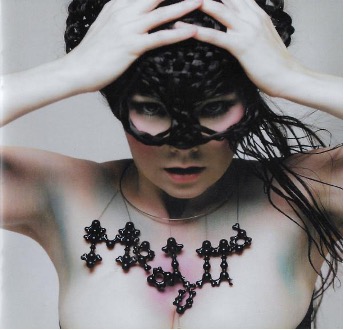
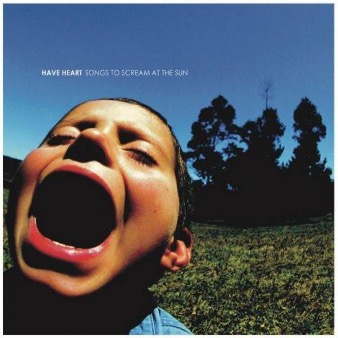
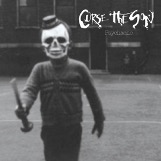
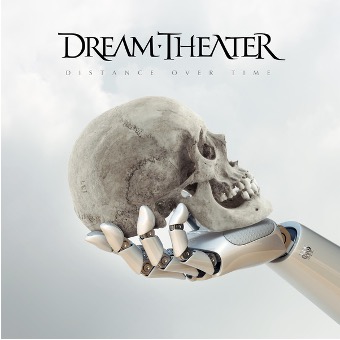
The Tête-à-tête Archive of Human Heads and Skulls emerged as a conceptual process. My love for music and fascination with visual culture has led to this archive as I began methodically observing the presence of heads on vinyl/cassettes/CD records. Eventually, I found myself engaging with questions concerning curation, handling, and repatriation of human remains. I was especially drawn to and intrigued by the double-meaning of the word “record,” a human record (bioarchaeology), and a copied/printed musical record (a “physical” record with human heads or skulls printed on it). Following the human habit of collecting album covers, I re-enact the very act of “recording” or even preserving human heads. In many of these album covers, one can find recurring themes such as horror, dread, shout, chuckle, madness, and joy. The archive also demands in-depth and ongoing conversation on the visual politics of identity, representation, gender, race, and disability. Some album covers are merely a headshot of someone’s favorite musicians, an intimate meeting with the artist of our choice. Others are a bizarre depiction of the head from an unconventional perspective, like in the work of Holbein mentioned above. This online archive invites visitors to look closely at heads’ records and their various meanings in divergent contexts. Tête-à-tête is a resource to provoke and render phrenologist thought through visual rendition invoked in the performing arts.
Links:
- http://marcquinn.com/artworks/self
- https://monoskop.org/Acéphale
- https://www.greekmythology.com/Myths/Creatures/Medusa/medusa.html
- https://artsandculture.google.com/asset/the-ambassadors-hans-holbein-the-younger/bQEWbLB26MG1LA?hl=en
Works Cited:
1. Clegg, Margaret. “A History of Human Remains in Museum and Other Collections.” Human Remains, 2020, p. 13.
2. Bataille, Georges. “The Sacred Conspiracy” (1936) « Il est temps d’abandonner le monde des civilisés et sa lumière. Il est trop tard pour tenir à être raisonnable et instruit — ce qui a mené à une vie sans attrait. Secrètement ou non, il est nécessaire de devenir tout autres ou de cesser d’être. » (in French)
 performingphrenology.com